
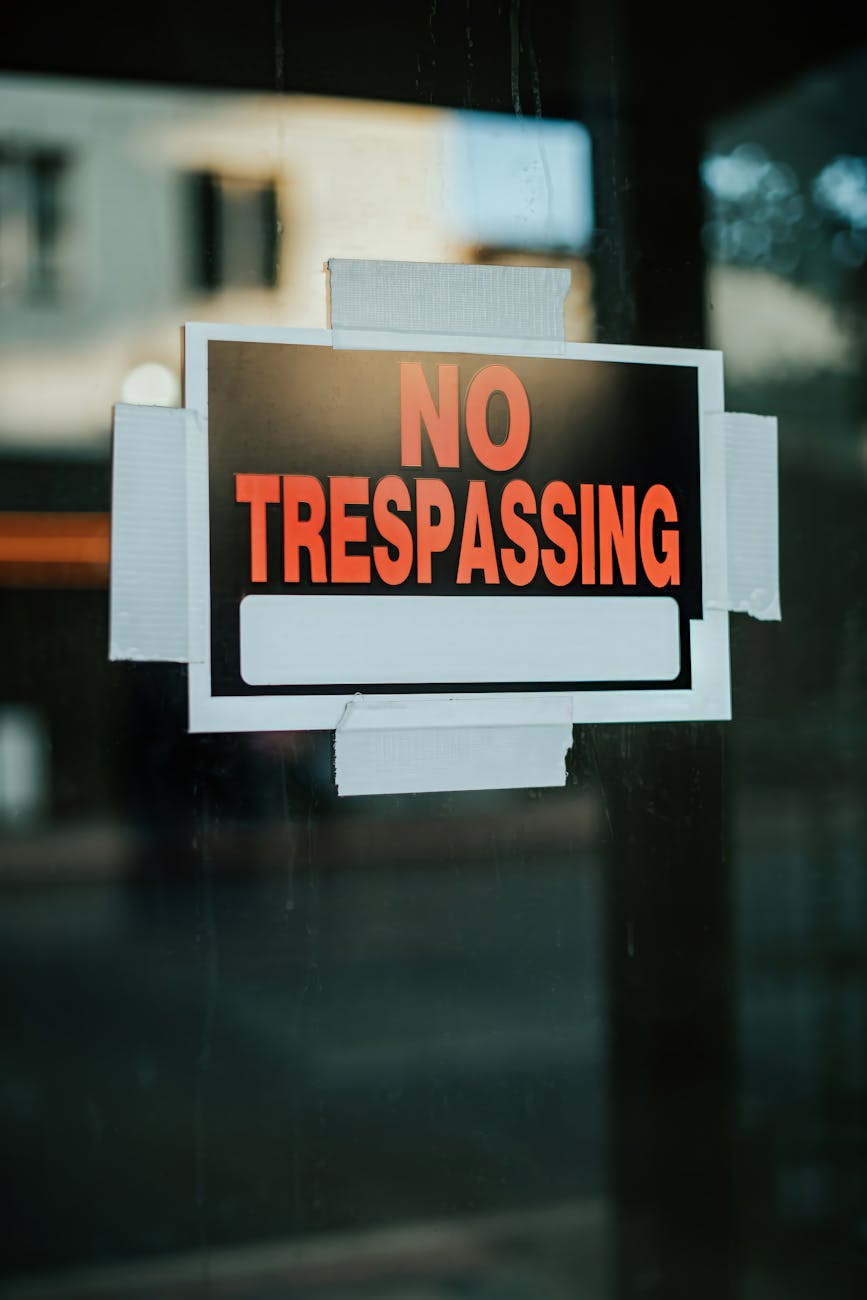

What are boundaries? Boundaries are the limits we set to protect our well-being—emotionally, physically, and mentally. They help us define what is acceptable and what isn’t in our relationships, work, and personal lives. The older I get, the easier it has become to set boundaries because I’ve seen firsthand what happens when you ignore them.
Boundaries aren’t about shutting people out or being harsh; they’re about preserving your peace and ensuring you can show up as your best self for others. They’re an act of self-respect, not selfishness. Once I started setting boundaries, I realized they helped me feel more confident, less anxious, and overall more at ease with myself.
For me, the biggest lesson in boundary-setting came in the workplace.
Boundaries at Work: Protecting Your Energy
I once worked a job that wanted every ounce of my soul. To HR, I was just a “part-time employee.” In reality, I was working overtime, traveling for the company, managing multiple locations, merchandising through long shifts, and literally working my ass off. I was a wreck—an anxious, depressed wreck. It wasn’t just affecting me physically and mentally; it was bleeding into my personal life. After 12-hour shifts, I’d come home and stare at my dinner in silence, too drained to even hold a conversation.
The thing about workplaces (and people in general) is that if you keep saying yes, they’ll keep asking. Even if every fiber of your being is exhausted. It’s true that you are replaceable in the workplace. It may feel as if it will all crumble down without you, but it won’t. They will start looking to replace you ASAP.
Additional Tips for Setting Work Boundaries:
- Set clear expectations from the beginning.
- Don’t wait until you’re already overloaded to set boundaries. Establish your limits early on with your manager or colleagues. Be upfront about your availability, what you can and cannot do, and when you need time off.
- Practice saying “no.”
- This can feel uncomfortable at first, but the more you practice, the easier it gets. You don’t need to offer an explanation every time you say no. A simple, “I’m unable to take that on right now” is enough.
- Delegate when possible.
- If you’re in a leadership position or manage tasks, don’t be afraid to delegate. Trusting others with responsibility not only reduces your workload but helps them grow as well.
- Set boundaries with technology.
- Avoid checking emails or responding to work texts outside of your work hours. Set up “Do Not Disturb” hours on your phone to keep work-related interruptions from creeping into your personal time.
The Consequences of Ignoring Boundaries
Pushing myself past my limits led to complete burnout. My anxiety became so bad that I could barely eat. Every morning before work, I would throw up from sheer anxiety. I felt awful—like a shell of a being, constantly on edge, always bracing for the next “big catastrophe” at work. Even when I wasn’t on the clock, I was thinking about work, my brain unable to shut off. The stress took over my life, affecting my sleep, my digestion, and my ability to feel joy in anything outside of my job.
And it didn’t stop at anxiety—my physical health completely fell apart. At one point, I had strep throat off and on for three months because I couldn’t take enough time off to actually recover. I was traveling for work, away from home, helping manage a store in another town. I was gone for at least a month, and I was so sick the entire time. I literally made the five-hour trip home just to see my doctor and get more antibiotics—only to turn around and go right back to work. No real rest, no real recovery, just pushing through because I felt like I had no other option.
Chronic stress like this can have serious physical consequences. Studies have linked poor boundaries and workplace stress to issues like high blood pressure, weakened immune function, digestive problems, and even an increased risk of heart disease. When your body is in a constant state of fight-or-flight, it takes a toll in ways you don’t always notice until it’s too late.
Tips to Prevent Burnout and Take Care of Your Body:
- Prioritize sleep and rest.
- Sleep is often the first thing we sacrifice when we’re overloaded. Make rest a priority. Your body needs sleep to recharge and heal.
- Get regular physical activity.
- Exercise isn’t just for fitness; it’s also for stress relief. Regular movement, even something as simple as a walk, helps release tension and boost your mood.
- Make time for hobbies and relaxation.
- Engaging in activities you enjoy outside of work can help restore balance and keep your mind from getting stuck in overdrive.
- Seek support.
- Don’t be afraid to reach out for help—whether it’s from a therapist, a friend, or even a support group. Talking things through and having a safe space to vent can relieve a lot of built-up stress.
Boundaries in Friendships: A Work in Progress
For a while, I didn’t really have any solid friendships. But once I started branching out and trying to build connections, I quickly realized how easy it is to take on other people’s emotions, opinions, and even their trauma. I’ve always wanted to be a supportive friend, but I’ve learned that supporting someone doesn’t mean absorbing everything they feel as my own.
One of the biggest lessons I’ve had to learn? Not every issue my friends go through is mine to carry. If a friend has a bad interaction with someone else, that’s their experience—not mine. That’s not my drama to carry. I’ve had to remind myself of that so many times over the last couple of years. It’s okay to listen, to empathize, and to be there for people—but it’s not okay to lose yourself in someone else’s emotional world.
Being a gymnastics coach to young children, I often know many people who know each other. That overlap means I’ve had to set clear boundaries with friends and draw the line when necessary. Just because someone else had a falling out with someone doesn’t mean I have to take sides. This person may have wronged you, but that doesn’t mean I have anything to do with it. I will continue to interact with them in the manner that I please until I’m given a reason to do otherwise.
Additional Tips for Setting Boundaries in Friendships:
- Separate your emotions from theirs.
- It’s easy to absorb a friend’s emotions, but you have to remind yourself that their feelings belong to them, not you. You can be there for them without taking on their stress or anger.
- Be honest about your limits.
- It’s important to communicate clearly with friends about what you’re able to offer emotionally. If you’re going through a tough time yourself, let them know that you might not have the capacity to offer as much support as you normally would.
- Know when to step back.
- If a friendship becomes too one-sided or draining, it’s okay to step back. Healthy relationships should be reciprocal, not a constant emotional drain.
Setting boundaries in friendships has been a work in progress, but it’s made my relationships stronger. I take each situation for what it is in my life, rather than filtering it through someone else’s lens. I still show up for my friends, but I do so in a way that doesn’t leave me emotionally drained or overwhelmed.
Boundaries in Relationships: A Personal Reminder
In my relationship, I’ve had to remind myself that my partner is allowed to have his own moods—and those moods are not always created by me. For a long time, I felt responsible for how my partner felt. If he was upset, I would internalize it, thinking I had somehow caused it or that I needed to fix it. But I’ve learned that this isn’t healthy, and it’s not my responsibility.
He is allowed to feel what he feels. It’s his choice to be in a certain mood, and while I can still offer support and understanding, I don’t need to carry the weight of that mood. I don’t need to feel guilty or take it personally. Setting this boundary has freed me from unnecessary emotional burdens, allowing me to show up for him in a healthier way without losing myself in the process.
Tips for Setting Boundaries in Relationships:
- Respect each other’s emotional space.
- It’s essential to allow your partner to experience their emotions without feeling responsible for “fixing” them. Both partners should be allowed to have their own feelings, even if they’re difficult.
- Communicate openly and honestly.
- When something is bothering you, be open with your partner. Share your feelings calmly, and create a safe space for them to do the same. Communication is key in any relationship, and clear boundaries ensure that both people feel heard.
- Don’t enable unhealthy patterns.
- If certain behaviors or dynamics keep coming up in your relationship that are damaging, it’s okay to set boundaries around them. You deserve a relationship where both partners are respected and supported.
Final Thoughts
Setting boundaries isn’t always easy, but it’s one of the best gifts you can give yourself. Whether it’s at work, in friendships, or in romantic relationships, boundaries help protect your mental and physical well-being.
If you struggle with setting boundaries, know this: You don’t owe anyone an explanation for prioritizing yourself. People might not like it at first, especially if they benefited from your lack of boundaries. But in the long run, protecting your well-being is always worth it.
Have you ever struggled with setting boundaries? Let’s talk about it in the comments. 👇




Leave a Reply